Napa Green Champions Make Water Efficiency Mainstream
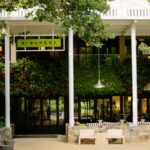
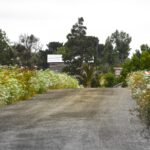
Landscaping thrives on recycled process wastewater at The Prisoner Wine Company.
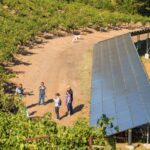
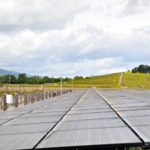
Rooftop solar and water storage tanks for Membrane Bioreactor, which treats and filters 100% of the water from the cellar with natural biological activity and reduces potable water needs by 37% at Silver Oak Cellars, Alexander Valley.
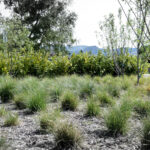
Raised garden beds replace inefficient turf lawn at The Prisoner Wine Company.
Napa Green | Champion Story
|
All Sustainability Stories, Water Efficiency
Looking for some new ideas to improve water efficiency, and simultaneously save energy? Here are a few examples of what some Napa Green wineries are doing to baseline and track water use to inform decision making; engage staff through “Blue Teams;” and set ambitious and inspiring goals like becoming the first Living Building Challenge certified winery.
Diving Into Water Meter Data:
Cakebread Cellars wanted to get a better sense of where in the winery they were using the most water. They also needed reliable daily wastewater data to pilot a cutting-edge wastewater treatment system called BioFiltro. Based on the Napa Green Winery resource audit they had concerns about their water meter accuracy. Since their meters were about 10 years old they decided it was time for an upgrade. They researched meters that could submit data electronically to an online database in near real time and settled on the Badger Meter’s AquaCUE Flow Management system.
"We wanted reliable, current data to inform decision making. Now we’re saving staff time and headaches collecting, recording and trending this data. We have much more detailed hourly information with added tools including temperature and precipitation overlays, as well as alerts. We’ve already identified a leak and some other opportunities."
Robert Wallace
Facilities Manager, Cakebread Cellars
Cakebread now has 10 active meters reporting to an online interface — one on each of the winemaking facilities in Rutherford and Oakville, two landscaping meters, two well meters, one garden meter, one wastewater meter, as well as a vineyard meter and a meter for the home onsite. They did a mix of bolt-in meters for smaller pipes (ranging in price from $300-600), which need professional installation, and clamp on meters, which have the benefit of being movable and easier to install (approximately $3,000 per meter for 3-4” pipes). The cost of each meter includes the ultrasonic data control panel and cellular device for automatic data transmission.
"Having current graphs and visuals makes water use much easier to explain. This is helping our Green Team members understand water use and get excited about opportunities. They then relay this information back to their departments."
Cynthia Sharp
Office Manager and Green Team Manager, Cakebread Cellars
Blue Team Gets Results:
A few years ago, the leadership at what was then Francisan Estate, now The Prisoner Wine Company, decided to establish a “Blue Team.” This team evaluates high-water using activities, particularly cleaning and sanitation, and generates suggestions for reductions that still meet stringent quality assurance standards. One of the first opportunities identified was to use pH testing to recharge chemical cleaning solutions for reuse. During non-harvest season they are now able to reuse cleaning solutions 3-4 times.
The Blue Team also started reusing more water on the barrel line. Two of their three barrel washers now capture the final rinse at 140-150 degrees that is then used for a first rinse to remove lees and sediment. For their ozone barrel washing machine they capture the water for subsequent pressure washing of floors and other areas. Overall, water use for sanitation during non-harvest season has declined ~60%. The only challenge the team has encountered to water reuse is that captured water has to be used within two days, so reuse opportunities vary based on day-to-day tasks.
"With recent renovations and changes in operations we’ve been reinvigorating the Blue Team and added a few cellar members. We’ve continued to see consistent water use savings year-over-year. Moving forward we’ll be dialing in water conservation for our new crush equipment."
Jorge Llanos
Cellar Manager, The Prisoner Winery Company
Another big water saving opportunity was realized outside the winery by shifting from using well water for decorative landscaping to utilizing treated process wastewater. This immediately saved ~1.6 million gallons a year in water use and cut energy costs for pumping water from the well. During renovations they removed a fountain and replaced areas of turf with raised garden beds, as well as olive trees with an engineered soil system for enhanced permeability and groundwater recharge.
Industry Milestones — Tackling the Living Building Challenge:
In 2016, Silver Oak Cellars in Oakville became the first commercial production winery to achieve LEED Platinum certification for an existing building. At that location, their water conservation activities include:
Replacing turf with kurapia and artificial grass resulting in an 86% reduction in irrigation water use
Using steam as a key sanitation tool, which has the dual benefit of using much less water and being a better sanitizing agent.
"We installed automatic pumpover devices, which not only save the backs of our cellar team, but create a closed system for each fermenting tank, meaning pumps and pipes are cleaned once every 2-3 week fermentation cycle, rather than several times per day."
Haley Duncan
Project Manager, Silver Oak Cellars
At their new Alexander Valley winery Silver Oak has set their sights even higher – achieving both LEED Platinum certification for new construction and aiming to become the first Living Building Challenge (LBC) certified winery. This effort is being spearheaded by family member Haley Duncan, who has a bachelor’s degree in Environmental Studies. The LBC sets an even higher bar than LEED, requiring all water to be generated, treated and reused onsite. The facility must be off the water grid entirely Similarly, the facility must produce 105% of annual energy needs, requiring both exceptional efficiency and renewable energy. Silver Oak Cellars hopes to achieve Living Building Challenge certification for its Alexander Valley facility in 2019.
About napa green
Napa Green is a global leader in sustainable winegrowing, setting the highest bar for sustainability and climate action in the wine industry. Napa Green facilitates systematic soil to bottle certification for wineries and vineyards, and provides the resources, tools and connections to continuously level up leadership. In 2021, Napa Green was the first sustainable winegrowing program in the world to redevelop Vineyard certification standards to focus on climate action, regenerative carbon farming, and social equity. In 2022, Napa Green and community partners launched the first of its kind, six-event RISE Climate & Wine Symposium (formerly THRIVES) with over 65 leading speakers and 40 “Sustainable Services & Solutions” partners and sponsors.